Safety Warning Solutions
Heavy Duty Floor Marking Tape for Industrial & Warehouse Safety
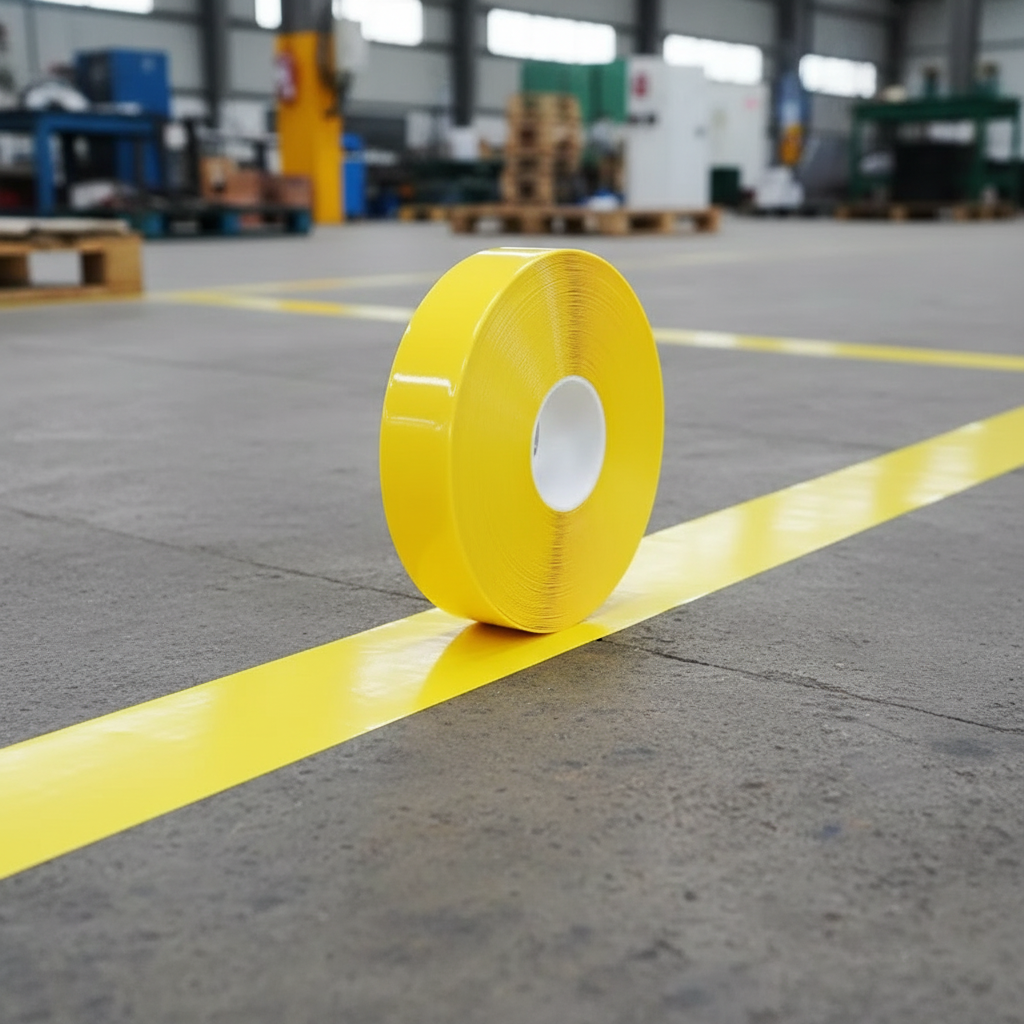
Heavy Duty Floor Marking Tape: A Reliable Industrial Solution
In industrial and warehouse environments, clear floor markings are essential for safety, efficiency, and compliance. However, traditional floor paint often wears out quickly under heavy traffic, forklifts, and chemical exposure. As a result, many factories and logistics centers are switching to heavy duty floor marking tape as a more reliable and flexible solution.
This article explains what heavy duty floor marking tape is, where it is commonly used, and why it has become a practical alternative to painted floor lines in high-traffic industrial areas.
What Is Heavy Duty Floor Marking Tape?
Heavy duty floor marking tape is a high-performance adhesive tape designed specifically for industrial floors. Unlike standard vinyl floor tape, it is engineered to withstand:
- Continuous foot and vehicle traffic
- Forklifts, pallet trucks, and carts
- Abrasion, oil, dust, and cleaning chemicals
Most heavy duty floor marking tapes are made from reinforced PVC or PET materials combined with a strong pressure-sensitive adhesive. This structure allows the tape to maintain visibility and adhesion even on rough concrete or epoxy-coated floors.
In real industrial applications, durability is not defined by thickness alone. The balance between surface wear resistance and adhesive strength is what determines long-term performance.
Common Applications in Industrial Environments
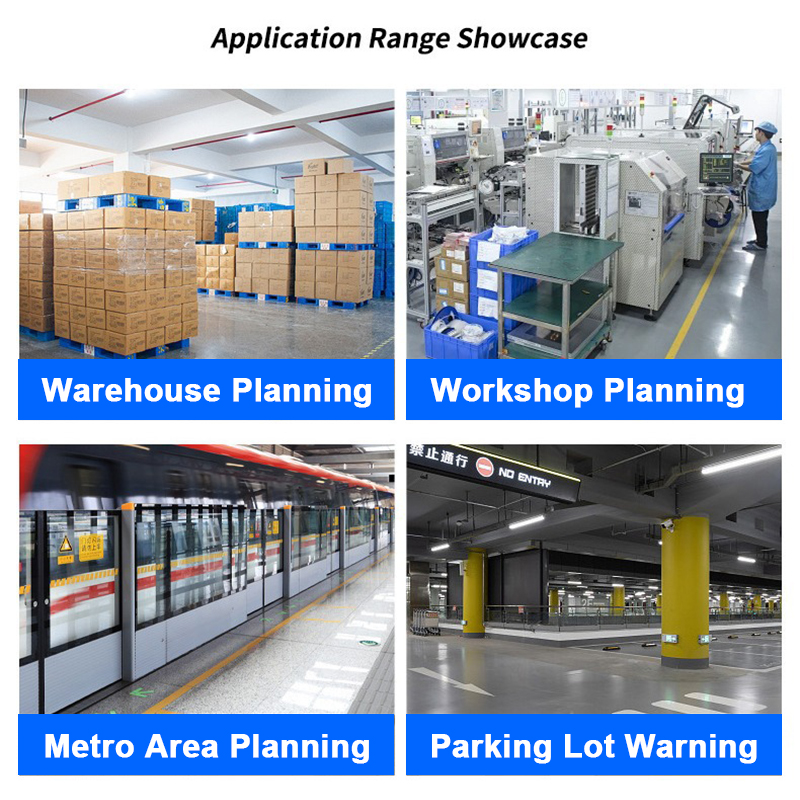
Heavy duty floor marking tape is widely used in factories, warehouses, and production facilities where safety and organization are critical.
Warehouse aisles and forklift lanes
Clear traffic separation reduces collision risks and improves workflow efficiency.
Safety zones and restricted areas
Used to mark hazardous zones around machinery or electrical panels.
Pedestrian walkways
Helps guide employees and visitors through busy production areas.
Emergency exits and evacuation routes
High-visibility markings ensure compliance with safety regulations.
5S and lean manufacturing layouts
Floor tape allows quick layout adjustments without permanent changes.
Based on feedback from industrial users, one of the main advantages is the ability to modify layouts as production needs change, without shutting down operations for repainting.
Floor Marking Tape vs. Floor Paint
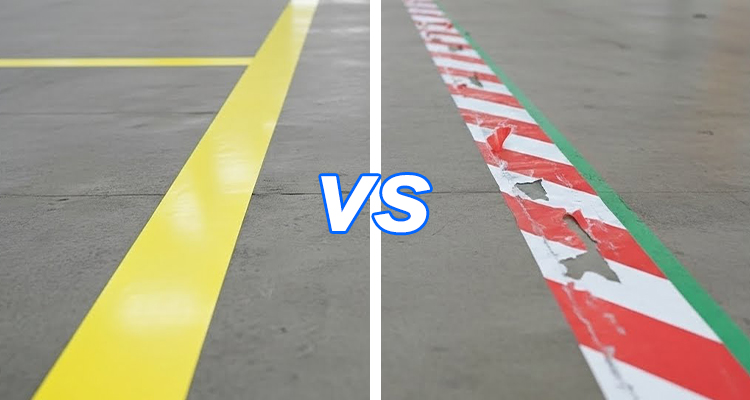
In many facilities, floor paint has been the traditional solution. However, its limitations become obvious in high-use areas.
Key Differences
| Installation time | Floor tape can be applied immediately, while paint requires surface preparation and curing time. |
| Downtime | Tape minimizes production interruptions. Painted lines often require full area shutdown. |
| Maintenance | Worn tape can be replaced section by section. Paint usually needs complete repainting. |
| Flexibility | Tape supports temporary or evolving layouts, which is difficult with permanent paint. |
For warehouses operating on tight schedules, reducing downtime is often the main reason for choosing heavy duty floor marking tape.
Key Performance Features
Not all floor marking tapes perform the same. In industrial settings, the following features are especially important:
- High abrasion resistance for continuous traffic
- Strong adhesion on concrete, epoxy, and sealed floors
- Resistance to oil, moisture, and cleaning agents
- High color visibility to maintain clear markings over time
In practical use, adhesion performance depends heavily on surface conditions. Even the best tape will fail if applied on dusty or oily floors.
How to Apply Correctly
Proper application plays a major role in tape lifespan. Premature failure is often caused by installation issues rather than product quality.
- Clean the floor thoroughly to remove dust, oil, and moisture.
- Ensure the surface is dry and above the recommended temperature.
- Measure and mark the layout before application.
- Apply the tape with steady pressure to avoid air bubbles.
- Allow bonding time before heavy traffic resumes.
Durability in High-Traffic Areas
In warehouses with forklifts operating daily, floor marking durability is a common concern. Heavy duty floor marking tape is designed to handle this environment, but realistic expectations are important.
Service life depends on:
- Traffic frequency and load weight
- Floor surface condition
- Cleaning methods
- Environmental exposure
In most indoor industrial applications, heavy duty tape provides long-lasting performance with minimal maintenance when installed correctly.
Frequently Asked Questions
How long does heavy duty tape last?
In controlled indoor environments, it can last from several months to multiple years, depending on traffic intensity and surface conditions.
Can it be removed without damaging the floor?
Most industrial-grade tapes are designed for clean removal when removed properly, especially on sealed or epoxy floors.
Is it suitable for outdoor use?
Some products are suitable for limited outdoor use, but most are optimized for indoor industrial environments.
A Practical Safety Marking Solution
Heavy duty floor marking tape has proven to be an effective solution for industrial safety and organization. It combines durability, flexibility, and ease of installation, making it especially suitable for warehouses and factories where layouts change and downtime must be minimized.
For facilities looking to improve safety visibility while maintaining operational efficiency, floor marking tape offers a practical and adaptable alternative to traditional floor paint.


