Safety Warning Solutions
Industrial Floor Marking Tape Guide: Types, Applications and Installation Tips
Industrial Floor Marking Tape: A Comprehensive Guide
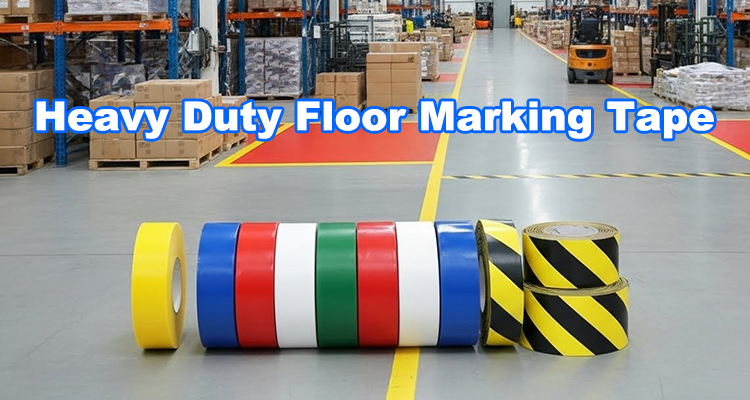
Clear floor markings are essential in warehouses, factories, and production facilities. They help organize workflow, separate pedestrian and vehicle traffic, and improve overall workplace safety.
This guide explains what industrial floor marking tape is, how it differs from standard floor tape, where it is most commonly used, and how to install it correctly for long-term performance.
What Is Industrial Floor Marking Tape?
Industrial floor marking tape is a heavy-duty adhesive tape designed specifically for high-traffic environments such as warehouses and manufacturing plants.
Unlike decorative or light-duty marking tape, industrial-grade products are engineered to withstand:
- Forklift and pallet truck traffic
- Continuous foot movement
- Abrasion and surface friction
- Exposure to oil and cleaning chemicals
Most industrial floor marking tapes are manufactured from durable PVC or reinforced film materials combined with high-tack pressure-sensitive adhesive. The combination of surface strength and stable adhesion determines how well the tape performs over time.
Types of Industrial Floor Marking Tape
Not all floor marking tapes are the same. Selecting the right type depends on traffic level and floor conditions.

1. Standard PVC Tape
- Suitable for moderate traffic areas
- Used in warehouses & light industrial
- Cost-effective and easy to apply
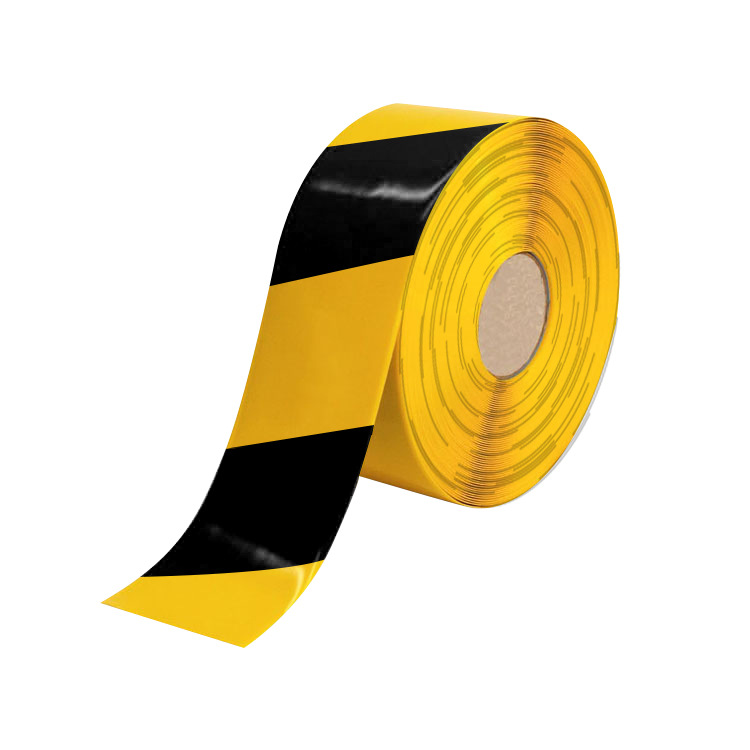
2. Heavy Duty Reinforced
- Designed for high-traffic forklift zones
- Thicker construction for abrasion resistance
- Stronger adhesive for concrete/epoxy
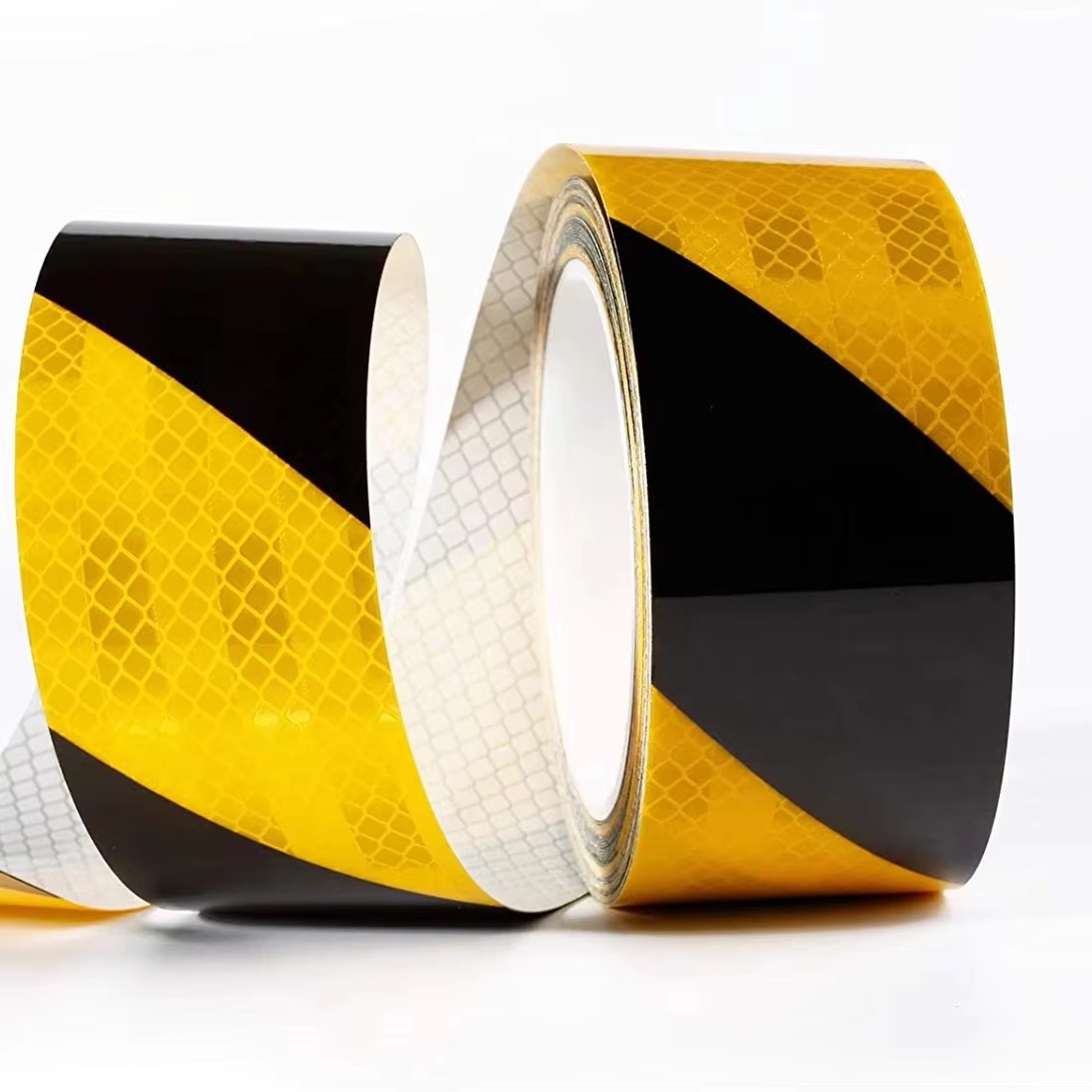
3. Reflective / High-Vis
- Used in low-light environments
- Common in loading docks & parking
- Enhances visibility and hazard awareness
Understanding traffic conditions is essential before selecting the correct tape grade.
Common Applications in Industrial Facilities
Industrial floor marking tape is widely used across multiple sectors.
Warehouse Traffic Lanes
Clearly marked forklift lanes reduce collision risks and improve traffic control.
Pedestrian Walkways
Separating foot traffic from vehicle routes improves workplace safety compliance.
Equipment Safety Zones
Marking safe operating distances around machinery reduces accident risks.
Storage and 5S Layout Areas
Many lean manufacturing facilities use floor marking tape to define storage zones and material flow paths.
In facilities where layout adjustments are frequent, tape offers flexibility that permanent paint does not.
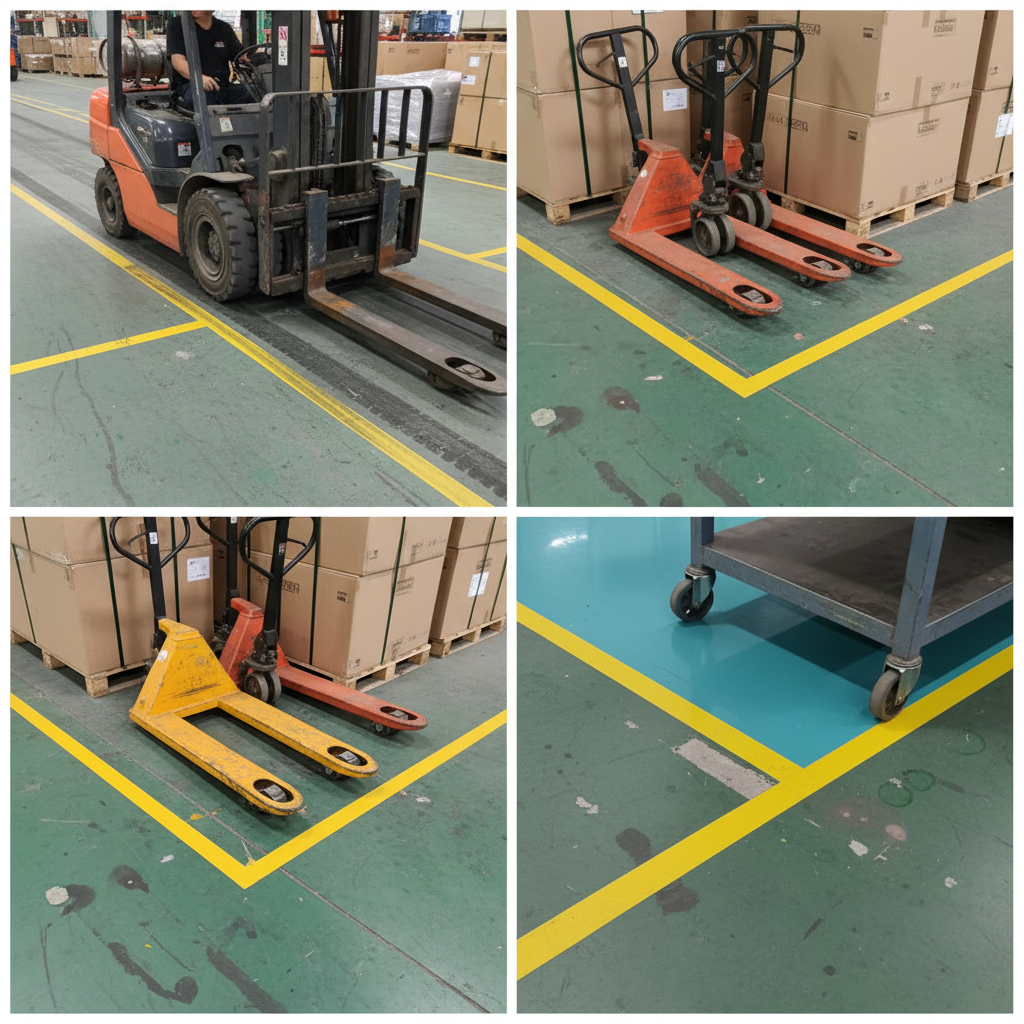
Industrial Floor Marking Tape vs Floor Paint
When planning floor safety markings, many facility managers compare tape with paint.
| Comparison Factor | Floor Marking Tape | Floor Paint |
|---|---|---|
| Installation Time | Can be applied immediately. | Requires drying and curing time. |
| Operational Downtime | Minimizes disruption. | Painted lines often require temporary shutdown. |
| Maintenance | Damaged sections can be replaced individually. | Usually requires full repainting. |
| Flexibility | Supports layout changes without grinding. | Permanent; requires surface grinding to remove or change. |
How to Install Correctly
Proper installation significantly affects durability. Many early failures are caused by poor surface preparation rather than product defects.
Step 1: Surface Cleaning – Remove dust, oil, grease, and debris. A clean and dry surface is essential.
Step 2: Floor Inspection – Ensure the floor is smooth and free of loose coatings. Rough concrete may reduce adhesion.
Step 3: Layout Planning – Measure and mark alignment lines before applying the tape.
Step 4: Application – Apply the tape gradually while pressing firmly to avoid air bubbles.
Step 5: Pressure Rolling – Use a roller to improve adhesive contact with the surface.
Allow sufficient bonding time before exposing the area to heavy traffic whenever possible.
Factors That Affect Tape Lifespan
The service life of industrial floor marking tape depends on:
- Traffic intensity and vehicle weight
- Floor surface type
- Cleaning frequency and chemical exposure
- Installation quality
In controlled indoor environments, heavy-duty tape can provide reliable performance for extended periods when properly installed.
Frequently Asked Questions
How long does it last?
Durability varies based on traffic conditions and surface preparation. High-traffic forklift areas will naturally experience more wear.
Can it be removed cleanly?
Most industrial-grade tapes are designed for clean removal from sealed or epoxy floors when removed properly.
Is it suitable for outdoors?
Some versions are suitable for limited outdoor exposure, but most are optimized for indoor industrial applications.
Choosing the Right Floor Marking Solution
Industrial floor marking tape offers a practical solution for improving workplace safety and operational organization. Compared with painted lines, it provides faster installation, easier maintenance, and greater flexibility for evolving layouts.
For warehouses and manufacturing facilities seeking durable and adaptable safety markings, selecting the appropriate industrial floor marking tape grade is an important step toward long-term efficiency and compliance.


