Safety Warning Solutions
Industrial Floor Marking Tape Guide for UK Warehouses & Factories
A practical guide for UK warehouses and factories on industrial floor marking tape, covering types, applications, and installation tips for workplace safety.
Introduction
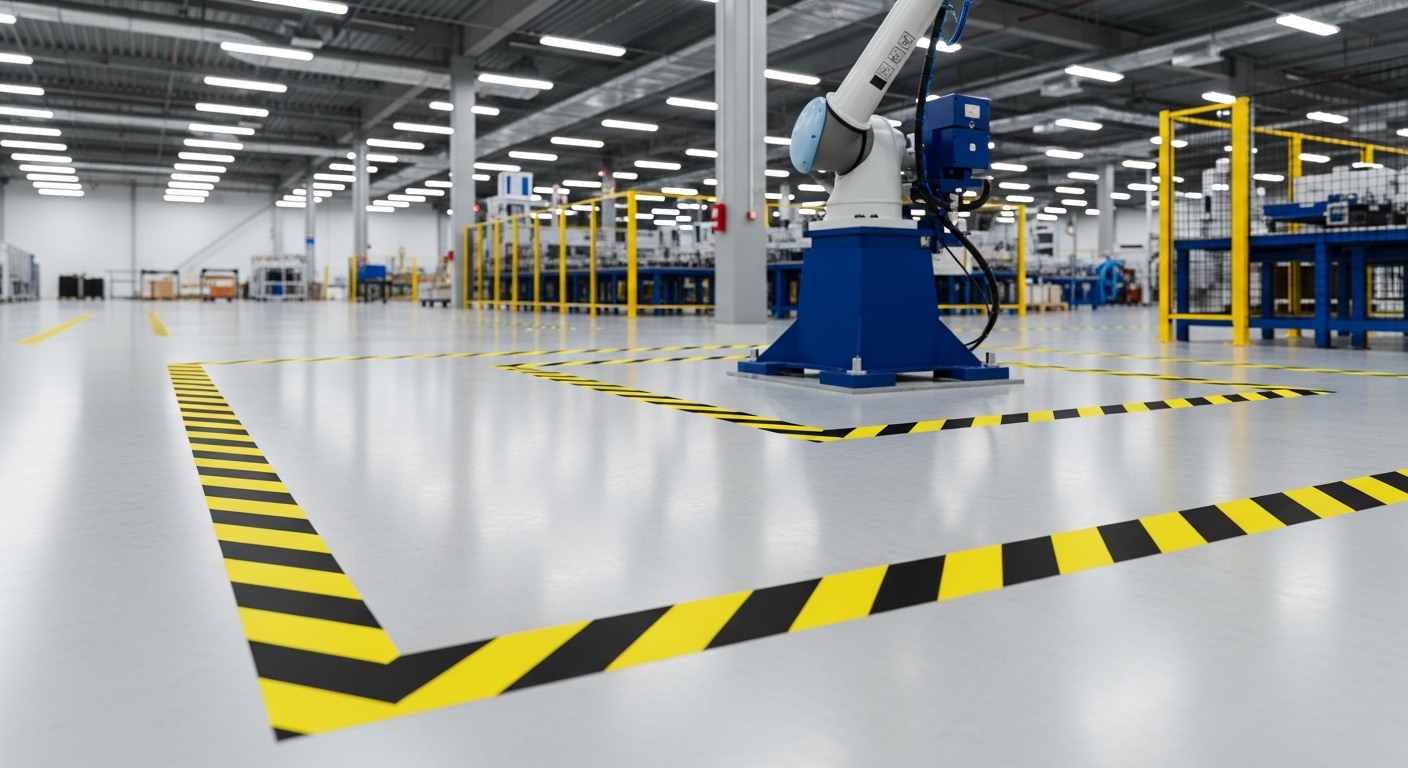
In the UK, workplace safety is a top priority for warehouses, factories, and industrial facilities. Clear and durable floor markings are essential to organise traffic, separate pedestrian areas from vehicle routes, and comply with health and safety regulations.
Industrial floor marking tape is a flexible and cost-effective solution that offers durability, high visibility, and minimal downtime compared with painted lines. This guide covers the types, applications, and best practices for using floor marking tape in British industrial environments.
What Is Industrial Floor Marking Tape?
An industrial floor marking tape is a heavy-duty adhesive tape designed for high-traffic areas. Commonly used in logistics centres and manufacturing plants.
Key characteristics include:
- High abrasion resistance for forklifts
- Strong adhesion to concrete & epoxy
- Durable against dust, oil & chemicals
- Clear colours for easy visual identification
Most tapes use PVC or reinforced films combined with pressure-sensitive adhesives.
Types of Industrial Floor Marking Tape
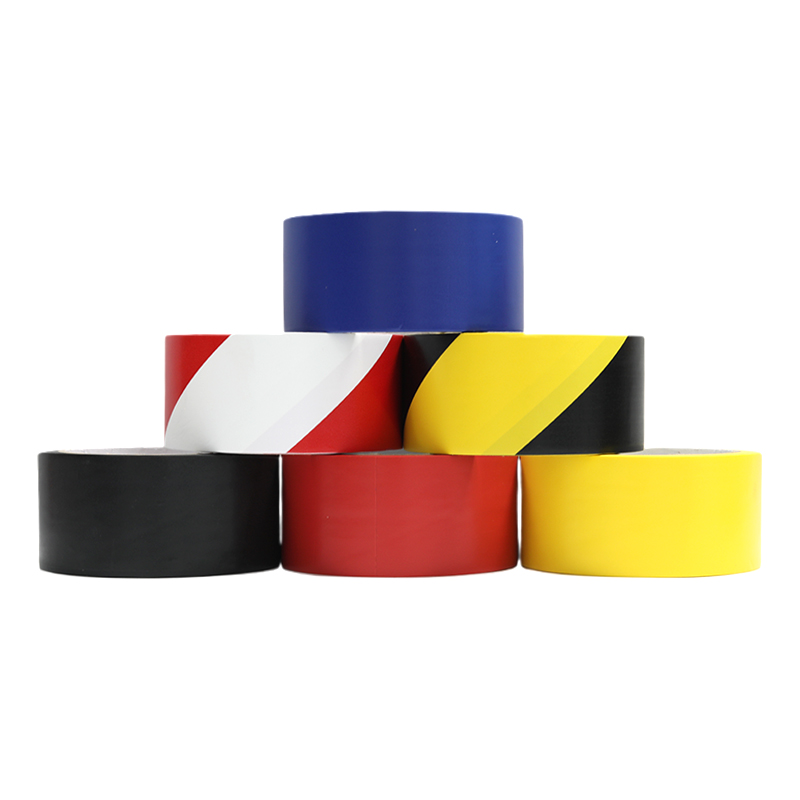
1. Standard PVC Tape
- Suitable for medium-traffic areas
- Easy to apply and remove
- Cost-effective for warehouses
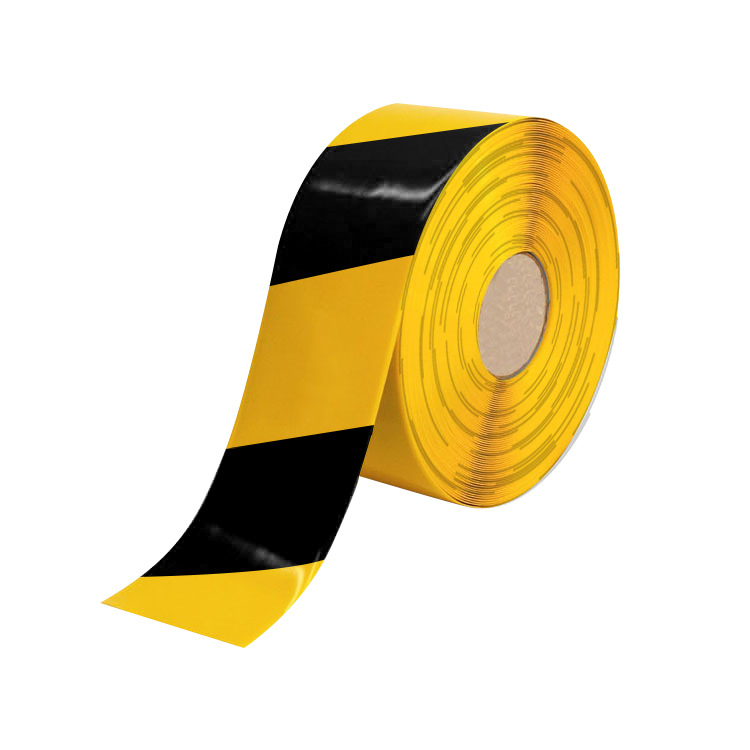
2. Heavy-Duty Reinforced
- Designed for high-traffic forklift zones
- Enhanced durability against abrasion
- Stronger adhesive for concrete/epoxy
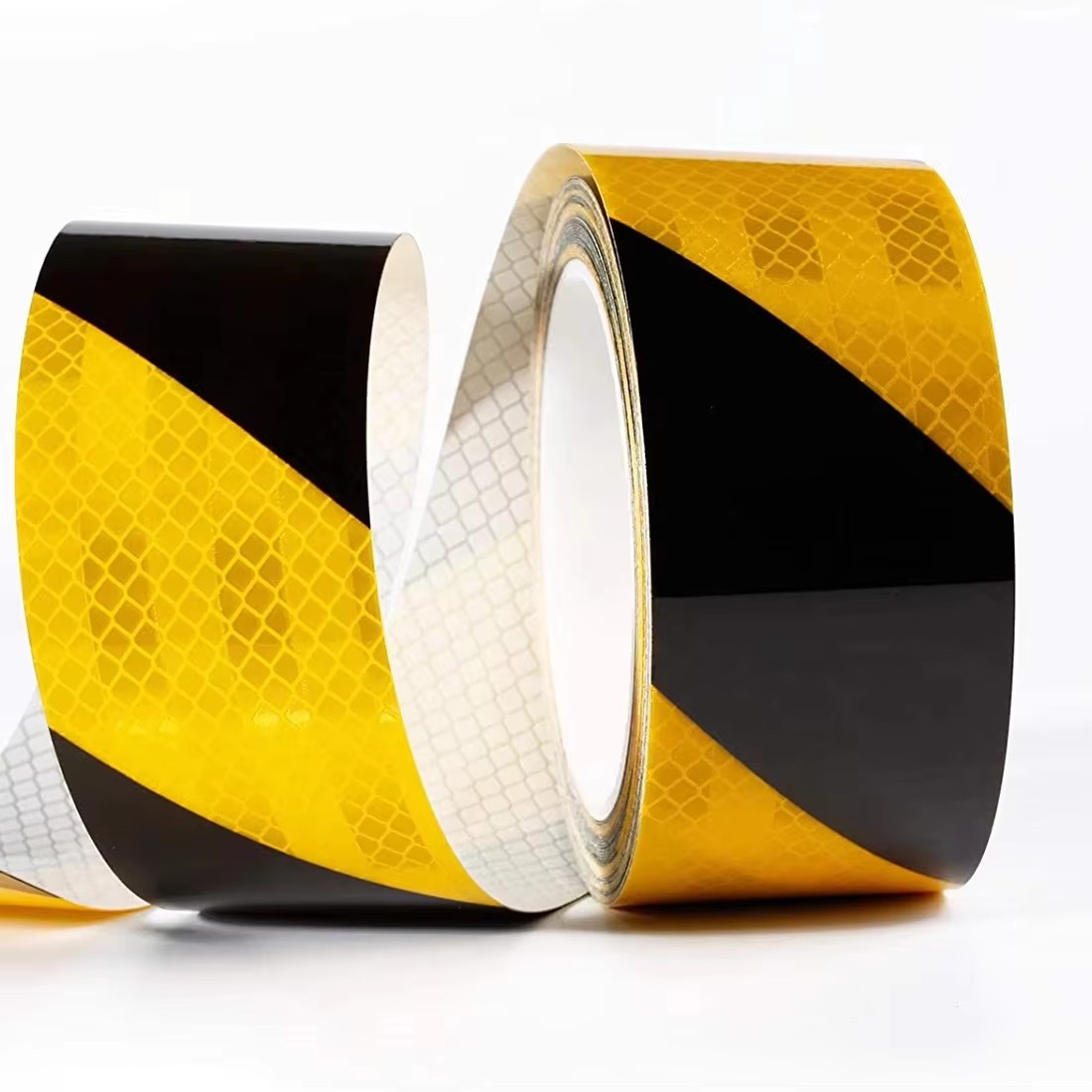
3. High-Visibility Tape
- Ideal for dimly lit areas & loading bays
- Enhances safety & reduces risks
- Excellent for visual alerts
Common Applications
Industrial floor marking tape is widely used in UK warehouses and factories:
Warehouse Traffic Lanes
Clear lanes reduce forklift and pedestrian accidents.
Pedestrian Walkways
Separate walking routes from vehicle areas.
Equipment Safety Zones
Mark safe distances around machinery.
5S & Lean Manufacturing
Define storage zones, workflow paths, and work areas.
Tape vs Painted Lines
| Feature | Floor Marking Tape | Floor Paint |
|---|---|---|
| Installation Speed | Immediate, minimal downtime | Requires drying and curing |
| Flexibility | Easily relocated or replaced | Permanent, difficult to modify |
| Maintenance | Replace damaged sections individually | Requires repainting whole line |
| Best For | Dynamic warehouses and factories | Permanent, low-traffic areas |
Installation Tips for UK Facilities
Proper installation improves adhesion and durability:
1 Clean the Floor – Remove dust, grease, and debris.
2 Inspect the Surface – Ensure smooth, dry floors.
3 Plan the Layout – Measure and mark alignment lines.
4 Apply the Tape – Press firmly to avoid bubbles.
5 Roll for Adhesion – Use a roller for maximum contact.
6 Allow Bonding Time – Delay heavy traffic for several hours.
Frequently Asked Questions
How long does industrial floor tape last?
Lifespan varies with traffic and floor type; heavy-duty tape can last several years indoors.
Can it be removed cleanly?
Yes, peel slowly. Epoxy or sealed floors are safest. Minor adhesive residue can be cleaned with mild solvents.
Is it suitable for outdoor UK use?
Some tapes can withstand mild outdoor conditions, but UV- and weather-resistant tapes are recommended for external areas.
Conclusion
Industrial floor marking tape is a practical solution for UK warehouses, factories, and logistics centres. It provides quick installation, flexible layouts, and improved workplace safety, supporting compliance with UK health and safety regulations.
By choosing the appropriate tape type and following best installation practices, businesses can ensure long-lasting and reliable floor markings.


