Safety Warning Solutions
OSHA FLOOR MARKING REQUIREMENTS

OSHA FLOOR MARKING REQUIREMENTS:
A COMPLETE GUIDE
Floor marking is a critical component of workplace safety and organization. According to OSHA standards, clear and consistent floor markings help prevent accidents, improve workflow, and ensure compliance in industrial environments.
What is OSHA
Floor Marking?
OSHA (Occupational Safety and Health Administration) requires workplaces to maintain safe and clearly defined environments. Floor markings are widely used to:
- ✔ Identify walkways and traffic lanes
- ✔ Separate hazardous areas
- ✔ Mark storage zones
- ✔ Improve 5S and lean management systems

OSHA Floor Marking Requirements
While OSHA does not specify one universal color standard, it emphasizes visibility, consistency, and hazard communication.
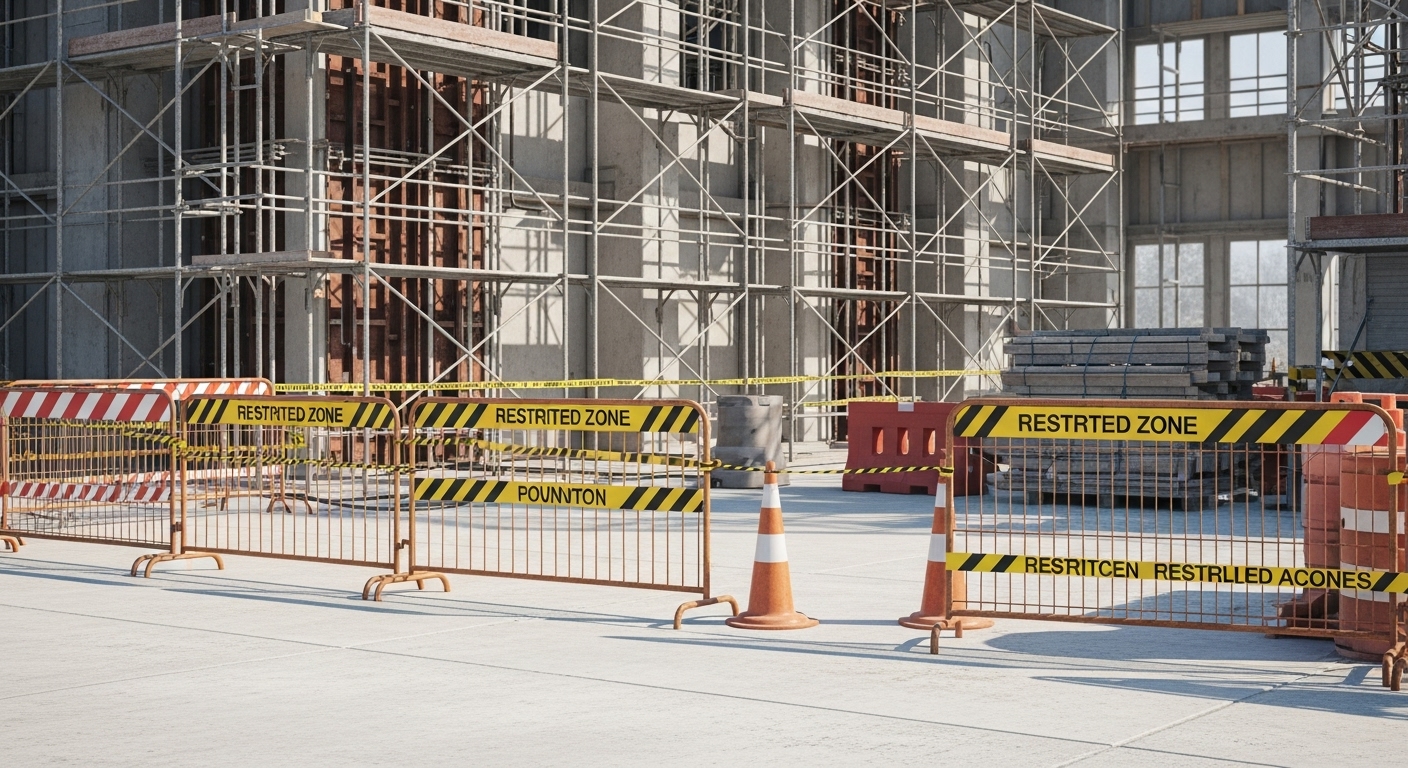
1. Clear Visibility
- Markings must be highly visible
- Use high-contrast colors
- Reflective tapes recommended
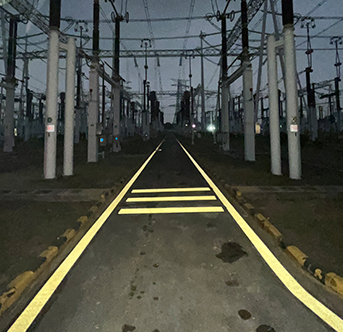
2. Consistency
- Use colors consistently throughout facility
- Avoid confusion by standardizing

3. Durability
- Must withstand heavy forklift traffic
- Peeling markings must be replaced

4. Walkways
- Clearly mark pedestrian paths
- Ensure unobstructed emergency exits
OSHA Recommended Colors
| Color | Meaning / Application |
|---|---|
| Yellow | General caution, walkways, aisles |
| Red | Fire equipment, emergency stop |
| Orange | Dangerous machinery parts |
| Black / Yellow | Physical hazards, extra caution |
| Green | Safety equipment, first aid |
| Blue | Information or notices |
Floor Marking Tape vs Paint
Why Tape is Preferred in Modern Facilities:
- Faster installation: No downtime.
- No drying time: Zero toxic fumes.
- Easy replacement: Adaptable layouts.
- Cleaner & precise: Perfect straight lines.
Industrial-grade floor marking tape is widely used instead of paint for OSHA compliance.

How to Choose the Right Tape
When selecting tape, consider:
- Adhesion strength (for concrete floors)
- Durability under forklift traffic
- Anti-slip surface for safety
- Indoor vs outdoor usage
Common Applications
Frequently Asked Questions
What does OSHA require for floor markings?
OSHA requires clear, visible, and consistent markings to improve workplace safety and hazard identification.
What color should safety walkways be?
Yellow is commonly used to mark walkways and aisles.
Can floor marking tape replace paint?
Yes, industrial floor marking tape is widely used as a durable and flexible alternative to paint.
How long does floor marking tape last?
High-quality tape can last 1–3 years depending on traffic conditions.
Conclusion
Proper floor marking is essential for OSHA compliance and workplace safety. Using durable, high-visibility floor marking tape helps businesses maintain safe, organized, and efficient environments.


