Safety Warning Solutions
Safety Color Code Guide
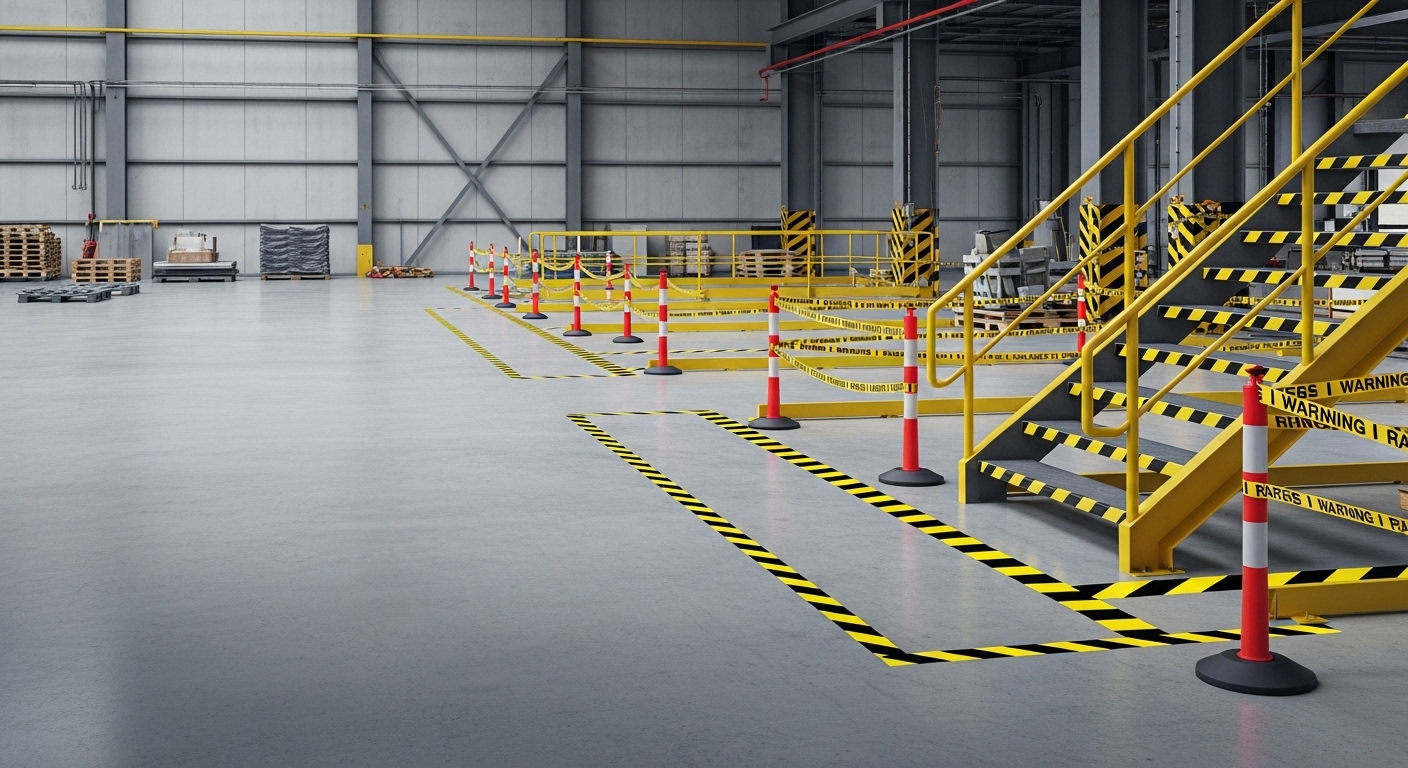
SAFETY COLOR CODE GUIDE:
MEANING & STANDARDS
Safety color codes play a vital role in hazard communication across industrial environments. From warning tapes to floor markings, color coding ensures quick recognition and reduces workplace risks.
What Are Safety
Color Codes?
Safety color codes are standardized colors used to communicate hazards, instructions, and safety information in workplaces. They are widely used in:
- ✔ Safety tapes
- ✔ Floor markings
- ✔ Signage
- ✔ Equipment labeling
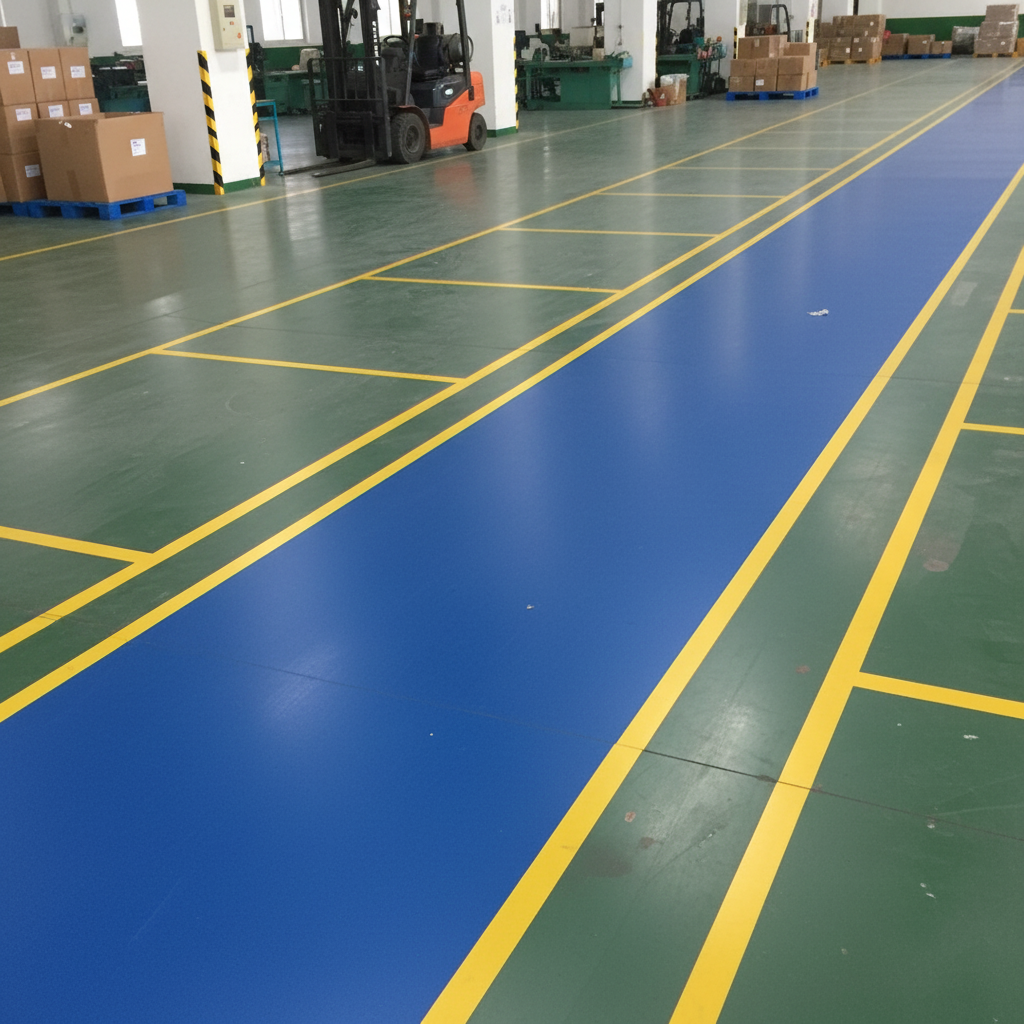
Standard Safety Color Meanings
Standardized color coding ensures quick recognition and reduces workplace risks across all industrial environments.
Red
Danger & Emergency
- Fire equipment
- Emergency stop buttons
- Prohibited actions
Yellow
Caution
- Walkways
- General hazards
- Warehouse floor markings
Orange
Warning
- Dangerous machine parts
- High-risk zones
- Construction barriers
Green
Safety
- First aid stations
- Emergency exits
- Safety equipment
Blue
Information
- Mandatory instructions
- Notices and guidelines
- Informational signs
Black / Yellow
Physical Hazard
- Stripes for hazard marking
- Used on edges and pillars
- Machine clearance zones
Why Safety Color Coding Matters
Implementing a standardized color coding system is not just about aesthetics; it is a critical safety strategy.
- ➤ Improves hazard recognition: Instantly alerts workers to potential dangers before they read a sign.
- ➤ Reduces accidents: Clear boundaries and warnings minimize collisions and operational errors.
- ➤ Supports OSHA compliance: Meets strict regulatory standards for occupational safety.
- ➤ Enhances workplace organization: Integrates perfectly with 5S and lean management principles.
Applications in Safety Tapes
Safety color codes are widely applied in industrial tape products:
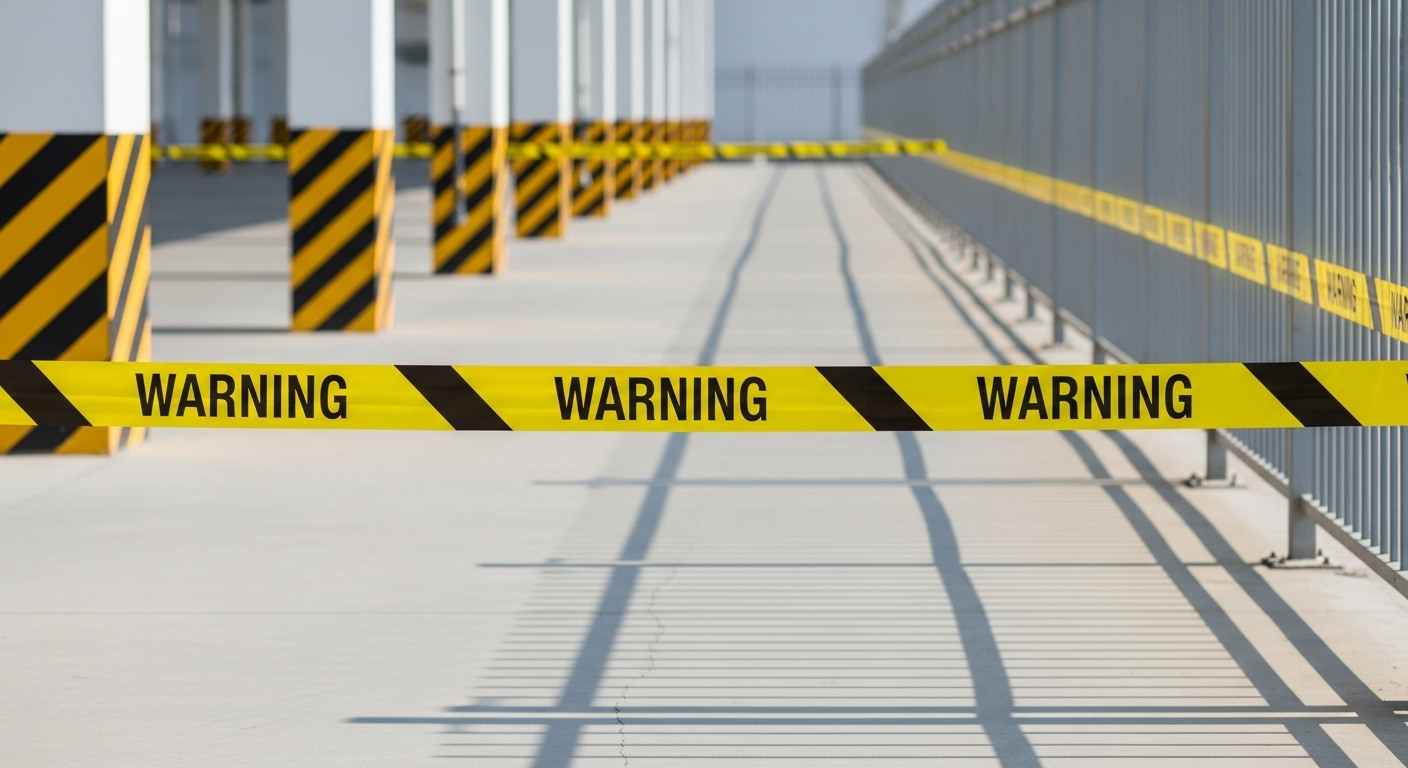
Best Practices for Using Safety Colors
- Keep color usage consistent: Do not mix meanings across different facility zones.
- Use high-contrast combinations: Ensure visibility in low-light environments.
- Combine colors with text: Clear markings and symbols reinforce the message.
- Ensure durability: Use industrial-grade tapes suited for harsh environments and heavy traffic.
Frequently Asked Questions
What is the purpose of safety color codes?
To quickly communicate hazards, operational guidelines, and safety information in the workplace before an accident occurs.
What color indicates danger?
Red is universally used to indicate danger, emergency situations, fire equipment, and prohibited actions.
What color is used for caution?
Yellow is commonly used for caution, marking general hazards, walkways, and aisle perimeters.
Why use black and yellow stripes?
They indicate physical hazards and are designed to draw strong visual attention to edges, low clearance, or dangerous machinery.
Conclusion
Safety color codes are essential for effective hazard communication and workplace safety. When combined with high-quality safety tapes, they significantly improve visibility and compliance.


